Reading the News
Articles written like a newspaper, at your level, to practise reading in English. Tap the underlined words to see what they mean, use the highlighter to mark the important parts, then answer five questions – every answer is explained.
 ScienceB1
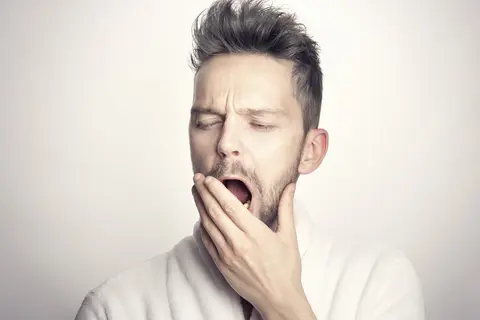
Why do we yawn – and why is it catching?
Everybody does it, even babies before they are born. But scientists are still not completely sure why.
3-minute read · 5 questions SocietyB1
The library that lends more than books
Need a drill for ten minutes or a tent for one weekend? In some cities, you can now borrow them like a book.
3-minute read · 5 questions EducationB1
Should school start later for teenagers?
Teenagers are often called lazy for sleeping late. But science says their bodies may be working on a different clock.
3-minute read · 5 questions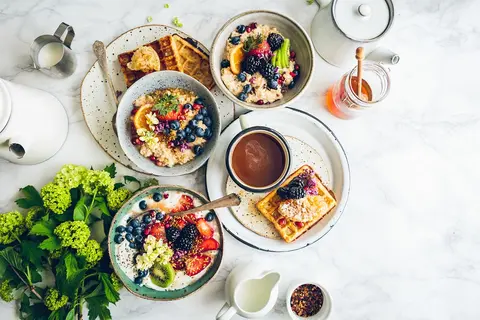 HealthB1
Is breakfast really the most important meal of the day?
We have all heard it many times. But what does science actually say about eating in the morning?
3-minute read · 5 questions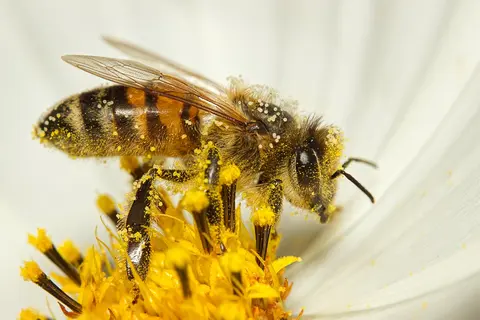 EnvironmentB1
Why are bees so important?
They are small and some people are afraid of them. But without bees, our plates would look very different.
3-minute read · 5 questions AnimalsB1
Why do cats sleep so much?
If you have a cat, you know it spends most of the day asleep. There is a good reason for it.
3-minute read · 5 questions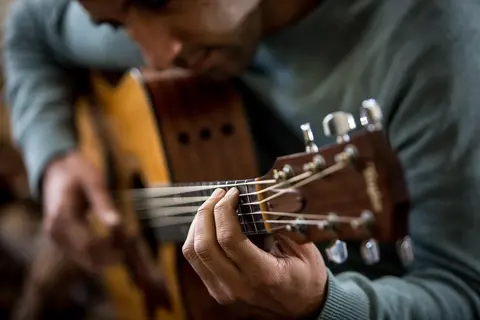 CultureB1
Is it ever too late to learn a musical instrument?
Many adults wish they had learnt to play the piano or the guitar as children. The good news: it is not too late.
3-minute read · 5 questions ScienceB1
Why do onions make us cry?
You are not sad – you are just cooking. Here is what really happens when you cut an onion.
3-minute read · 5 questions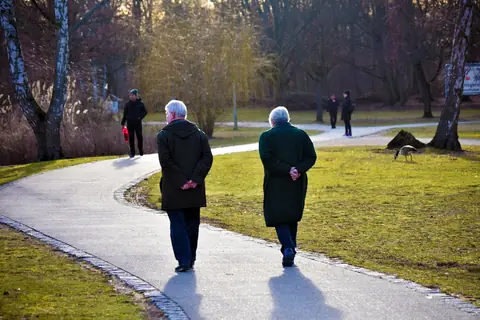 HealthB1
Is walking the best exercise of all?
It is free, you can do it almost anywhere and you already know how. So why don’t we walk more?
3-minute read · 5 questions AnimalsB1
How much do dogs really understand?
Dog owners often say their pets understand every word. Scientists have been trying to find out if they are right.
3-minute read · 5 questions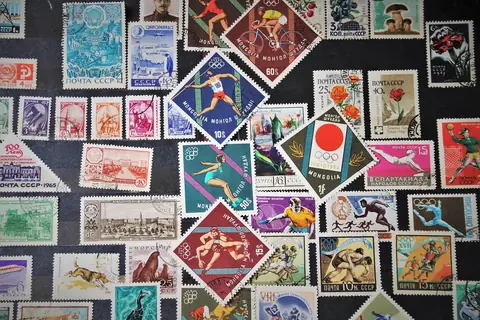 CultureB1
Why do we love collecting things?
Stamps, stickers, trainers or old coins – millions of people collect something. What makes it so enjoyable?
3-minute read · 5 questions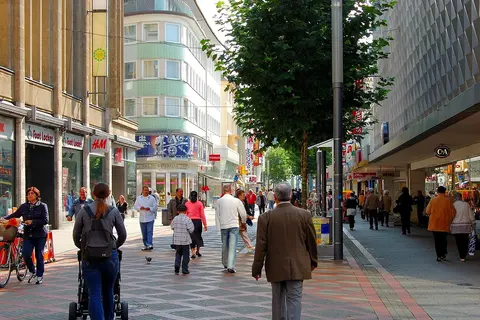 EnvironmentB2
Why more cities are saying no to cars
From a small Spanish city to the capital of Norway, city centres are being redesigned for people instead of traffic.
4-minute read · 5 questions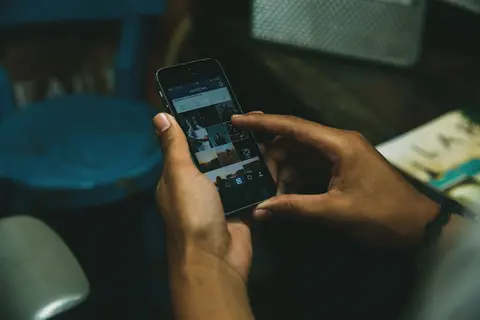 TechnologyB2
The science of why we can’t stop scrolling
You only meant to check one message. Forty minutes later, you are still looking at your phone. It is not a lack of willpower – it is design.
4-minute read · 5 questions WorkB2
Four days a week: what happened when companies tried it
Work less, earn the same and get just as much done? A large trial in the UK put the idea to the test.
4-minute read · 5 questions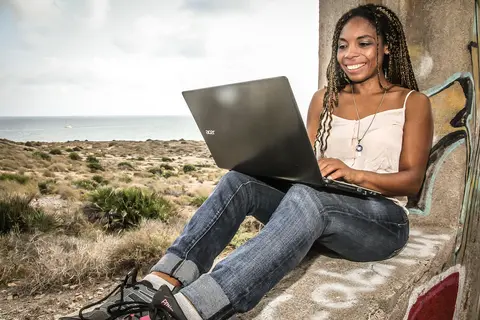 WorkB2
Laptop on the beach: the rise of the digital nomad
More and more people are working from wherever they like. It sounds like a dream – but it is not as simple as it looks.
4-minute read · 5 questions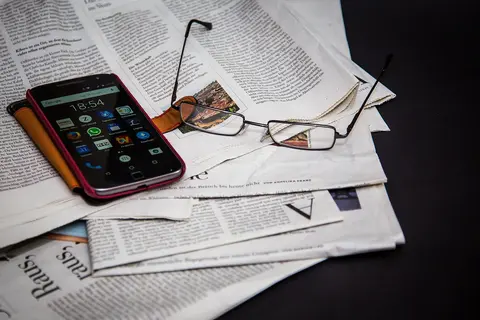 MediaB2
Why do we fall for fake news?
False stories spread online faster than ever. The reason has less to do with intelligence than with how our brains work.
4-minute read · 5 questions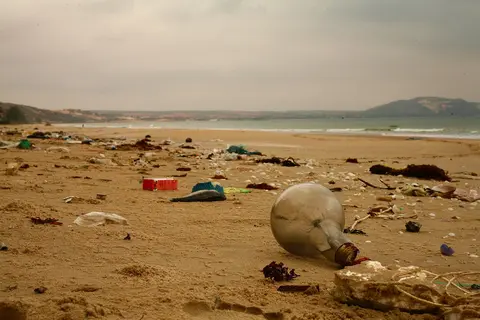 EnvironmentB2
Plastic in the ocean: where does it all go?
Millions of tonnes of plastic enter the sea every year. Surprisingly, scientists still cannot find most of it.
4-minute read · 5 questions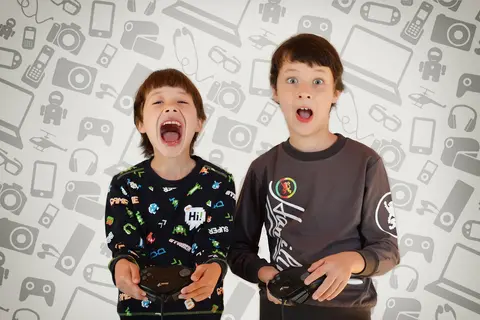 TechnologyB2
Can video games actually be good for you?
For years, gaming was blamed for everything from bad grades to aggression. Now researchers are painting a more complicated picture.
4-minute read · 5 questions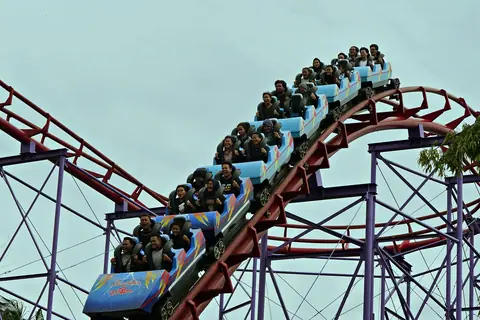 PsychologyB2
Why do we enjoy being scared?
Horror films, haunted houses and roller coasters are designed to frighten us. And millions of people pay for the experience.
4-minute read · 5 questions EducationB2
Should homework be banned?
Some schools have scrapped it altogether. Others give more than ever. What does the research actually say?
4-minute read · 5 questions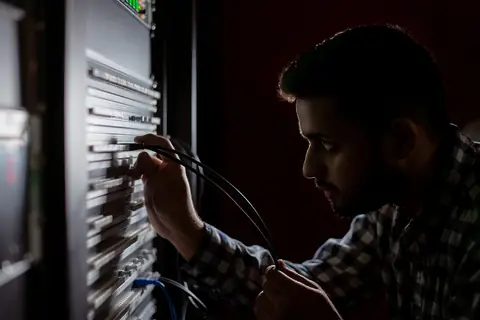 TechnologyB2
The hidden energy cost of the internet
Every search, stream and photo backup uses electricity somewhere. How much – and does it matter?
4-minute read · 5 questions PsychologyB2
Why do we put things off – and how can we stop?
Procrastination is not simply a matter of laziness. According to psychologists, it has more to do with our feelings.
4-minute read · 5 questions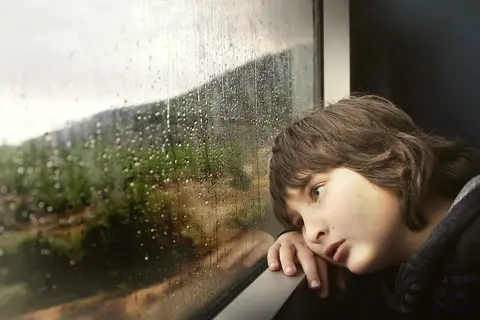 PsychologyC1
The forgotten art of being bored
We have filled every spare minute with screens. But a growing body of research suggests that boredom may be good for us.
5-minute read · 5 questions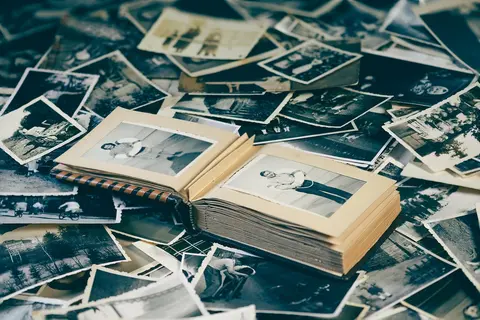 ScienceC1
Can we trust our own memories?
We like to think of memory as a recording we can replay. Decades of research suggest it is closer to a story we rewrite every time we tell it.
5-minute read · 5 questions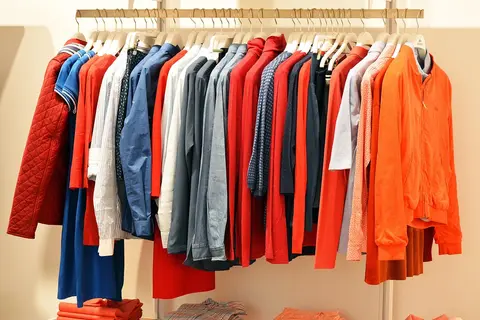 EnvironmentC1
The hidden cost of fast fashion
Clothes have never been cheaper or easier to buy. But the price on the label tells only part of the story.
5-minute read · 5 questions PsychologyC1
Spoilt for choice: is more always better?
We tend to assume that the more options we have, the happier we will be. Psychologists are not so sure.
5-minute read · 5 questions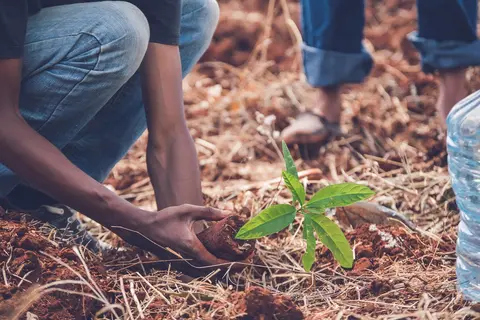 EnvironmentC1
The tiny forests taking root in our cities
They are no bigger than a tennis court, but supporters say they can bring nature back to the most unlikely places.
5-minute read · 5 questions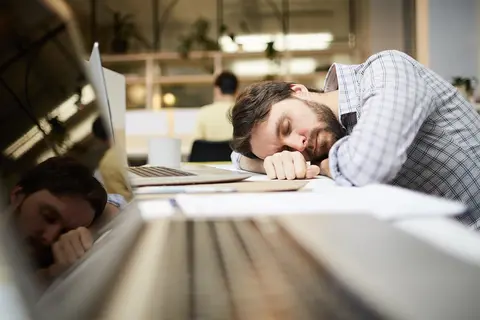 ScienceC1
Sleep on it: how a good night’s rest helps us remember
Students have long sacrificed sleep to study more. Neuroscience suggests that might be exactly the wrong strategy.
5-minute read · 5 questions EducationC1
Does handwriting still matter in a digital age?
Children type before they can write joined-up letters, and adults rarely pick up a pen. Should we be worried?
5-minute read · 5 questions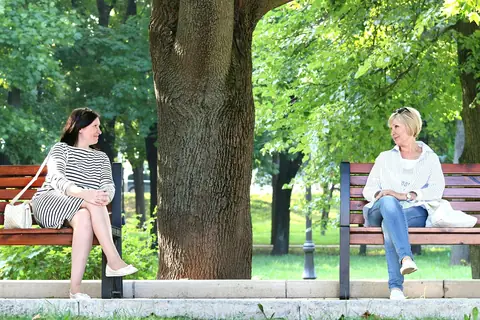 SocietyC1
The underrated art of talking to strangers
Many of us go out of our way to avoid chatting with people we don’t know. Research suggests we may be missing out.
5-minute read · 5 questions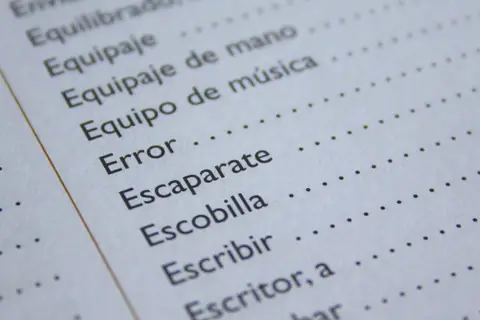 CultureC1
Does the language you speak shape how you think?
It is one of the oldest questions in linguistics, and the answer is more interesting than either side once believed.
5-minute read · 5 questions MediaC1
Nothing is free: the real price of “free” apps
Search engines, social networks and countless games cost nothing to use. So how do the companies behind them make billions?
5-minute read · 5 questions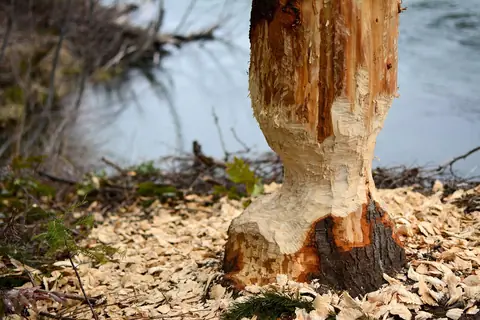 EnvironmentC1
Bringing back the wild: why rewilding divides opinion
Releasing beavers, bison and even wolves into the landscape excites conservationists. Not everyone shares their enthusiasm.
5-minute read · 5 questionsFor teachers
Every article can be set as homework for your class: on your class page, open Homework and choose it under “Reading the News”. You’ll see who has read it, their score and the questions they got wrong.
Why read the news?
Reading real-world articles is one of the best ways to build the vocabulary and reading speed you need for Cambridge exams. Read one article a few times a week: first for the general idea, then again for the details. Teachers can print any article for class – the answer key comes on a separate page.