Science · Reading practice · C1
Can we trust our own memories?
We like to think of memory as a recording we can replay. Decades of research suggest it is closer to a story we rewrite every time we tell it.
By Levoop · 5-minute read · 495 words · Tap the underlined words to see what they mean
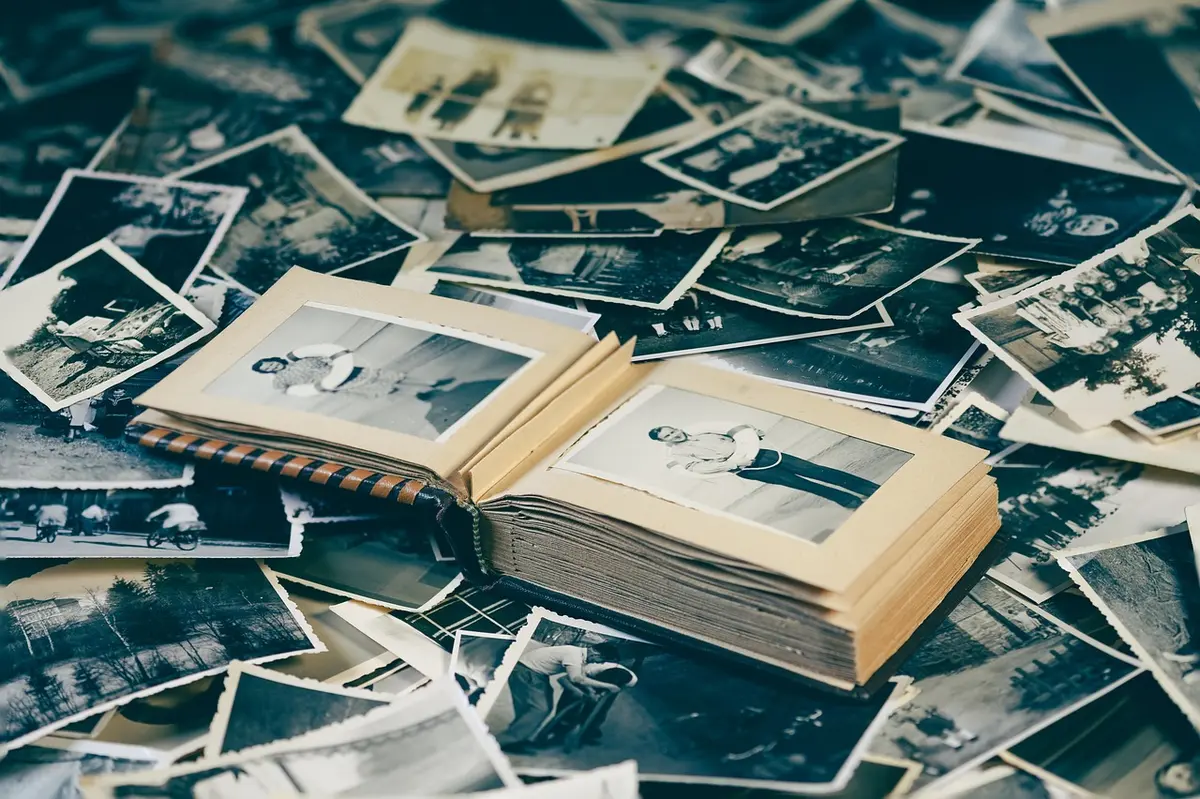
Ask people to describe how memory works and many will reach for the image of a video camera: events are recorded, stored somewhere in the brain and played back, more or less accurately, when we need them. It is a idea. Unfortunately, it is also largely wrong.
Since the 1970s, psychologists have built up a body of evidence that memory is reconstructive. Rather than a fixed recording, the brain rebuilds each memory from fragments every time we recall it, filling in the gaps with what seems likely, what we have heard since and what we expect to be true. Most of the time this process works well enough. But it also leaves memory surprisingly open to .
Some of the most influential research was carried out by the American psychologist Elizabeth Loftus. In a now-classic study, participants watched a film of a car accident and were then asked how fast the cars had been going when they “hit” each other. Others heard exactly the same question, except that the verb was “smashed”. Those who heard “smashed” gave noticeably higher estimates of the speed. A week later, they were also more likely to report having seen broken glass – even though there had been none in the film.
A single word, in other words, was enough to alter what people believed they had seen. Later studies went further, showing that it is possible to memories of entire events that never took place, such as being lost in a shopping centre as a child, simply through repeated suggestion. Crucially, the people involved were not lying: they genuinely believed their false memories, and often described them with confidence and detail.
These findings have had serious practical consequences, particularly in the legal system. For a long time, the of a confident was regarded as some of the most persuasive evidence a court could hear. Research on memory has helped to show why such testimony can be mistaken, and has led some police forces to change the way they interview witnesses and organise identity parades, for instance by avoiding leading questions.
It would be wrong, however, to conclude that memory is hopelessly unreliable. The general outline of what happened to us – where we lived, who our friends were, the main events of our lives – tends to be accurate. It is the details that are most : exact words, colours, times and the order in which things happened. Emotion complicates matters further, since a strong feeling can make a memory seem vivid without making it more accurate.
Perhaps the most useful lesson is one of . When two people disagree about what was said at a dinner years ago, it is quite possible that both are sincere and that neither is entirely right. Our memories are not so much records of the past as stories we keep telling ourselves – and, like all stories, they change a little with each telling.
Reading the News · levoop.com/reading-the-news/can-we-trust-our-memories · More articles and Cambridge exam practice at www.levoop.com