Psychology · Reading practice · B2
Why do we put things off – and how can we stop?
Procrastination is not simply a matter of laziness. According to psychologists, it has more to do with our feelings.
By Levoop · 4-minute read · 383 words · Tap the underlined words to see what they mean

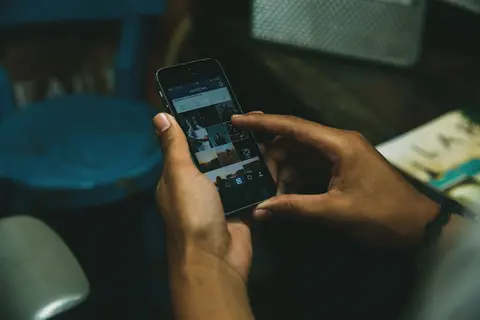
You have an important essay to write, so you decide to tidy your desk first. Then you check your phone, make a cup of tea and watch “just one” video. Suddenly it is evening and the essay has not been started. If this sounds familiar, you are in good company: most people at least some of the time.
It is tempting to see procrastination as a problem of laziness or poor time management. But many psychologists now describe it differently. In their view, procrastination is mainly a way of managing . When a task makes us feel anxious, bored or unsure of ourselves, avoiding it brings immediate . The problem is that the relief is short-lived, and the task – along with the stress – is still waiting for us.
This explains why we often delay the very things that matter most to us. A difficult assignment or an important job application can trigger fears of failure or of not being good enough. Checking messages, on the other hand, offers a quick and easy . Our brains tend to prefer small rewards now over larger ones later, a that researchers call “present bias”.
So what can we do? Experts suggest several . One is to make the first step as small as possible: instead of “write the essay”, the task becomes “write one sentence” or “open the document”. Starting is often the hardest part, and once we begin, the task usually feels less .
Another strategy is to reduce . Putting your phone in another room, or using an app that blocks distracting websites for a set period, removes the easiest escape routes. Some people find it helpful to work in short, timed blocks – twenty-five minutes of focused work followed by a short break.
Perhaps surprisingly, being kind to yourself also helps. Studies have found that students who themselves for procrastinating on one exam procrastinated less before the next one. Harsh , it seems, makes the task feel even more unpleasant – and therefore even easier to avoid.
Procrastination is a very human habit, and few of us will ever get rid of it completely. But understanding that it is about feelings, not character, is a useful first step – which, ideally, you will take today rather than tomorrow.
Reading the News · levoop.com/reading-the-news/why-do-we-procrastinate · More articles and Cambridge exam practice at www.levoop.com