Environment · Reading practice · B2
Plastic in the ocean: where does it all go?
Millions of tonnes of plastic enter the sea every year. Surprisingly, scientists still cannot find most of it.
By Levoop · 4-minute read · 375 words · Tap the underlined words to see what they mean
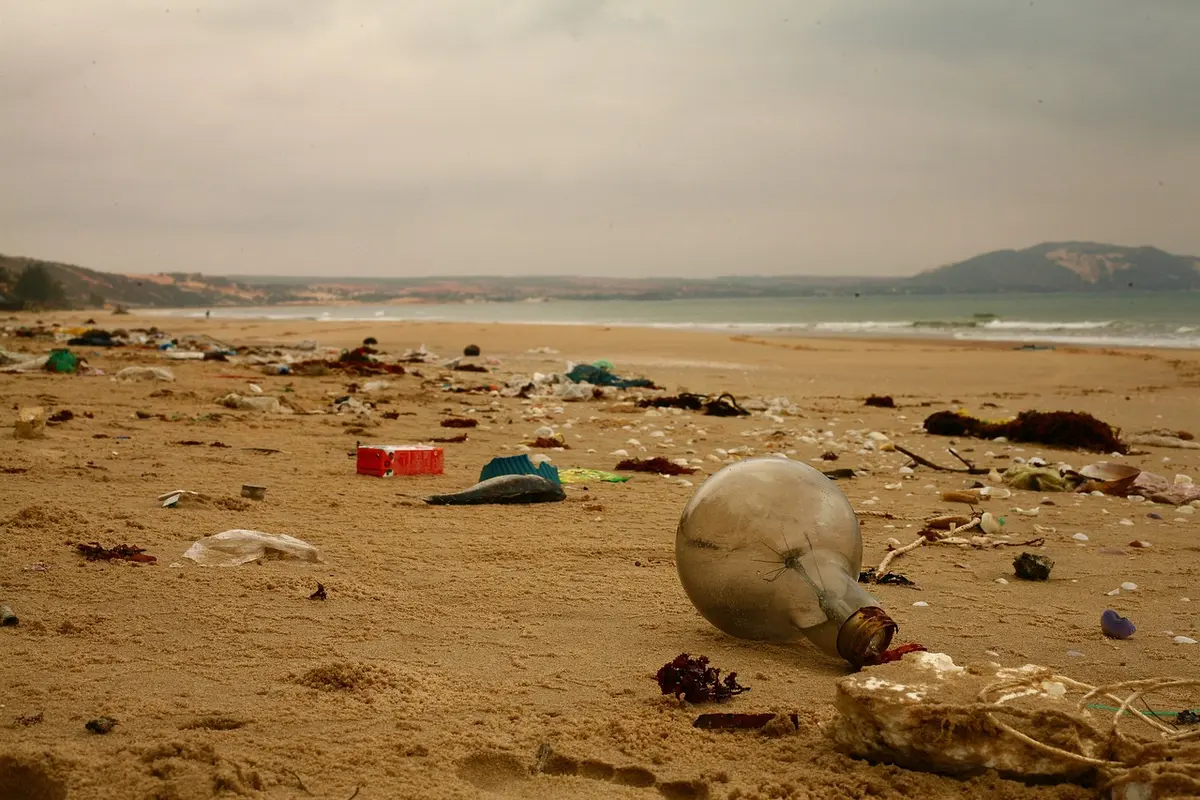
We have all seen the images: a turtle caught in a fishing net, a beach covered in bottles, a seabird with a stomach full of plastic. Plastic in the ocean has become one of the best-known environmental problems of our time. Yet some of the most basic questions about it remain surprisingly difficult to answer.
Start with the amount. Scientists estimate that several million tonnes of plastic reach the oceans every year, mostly carried by rivers or blown from the land. The exact figure is hard to pin down, and different studies give quite different numbers, but all agree that it is enormous – and that it is growing as the world produces more plastic.
You may have heard of the “Great Pacific Garbage Patch”, an area between Hawaii and California where floating plastic collects because of ocean . Many people imagine it as a solid island of rubbish that you could walk on. In fact, much of it is made of tiny pieces spread over a huge area, and from a boat the water can look almost clear.
What puzzles scientists is that the plastic floating on the surface seems to be only a small of what has gone into the sea. So where is the rest? Some of it is washed back onto . Some sinks to the seabed, where researchers have found plastic even in the deepest . And much of it breaks down into , which are eaten by fish and other sea creatures and have been found everywhere from Arctic ice to the food on our plates.
Cleaning up the oceans is extremely difficult, especially once plastic has broken into tiny pieces. That is why most experts argue that the most effective solution is to stop plastic reaching the sea in the first place. This means better collection in countries where much rubbish is not collected at all, catching plastic in rivers before it reaches the coast, and producing less plastic.
Individuals can play a part by items and recycling properly. But many scientists stress that the biggest changes need to come from governments and companies. As one researcher put it, “We can’t mop the floor while the tap is still running.”
Reading the News · levoop.com/reading-the-news/where-does-ocean-plastic-go · More articles and Cambridge exam practice at www.levoop.com