Media · Reading practice · C1
Nothing is free: the real price of “free” apps
Search engines, social networks and countless games cost nothing to use. So how do the companies behind them make billions?
By Levoop · 5-minute read · 489 words · Tap the underlined words to see what they mean
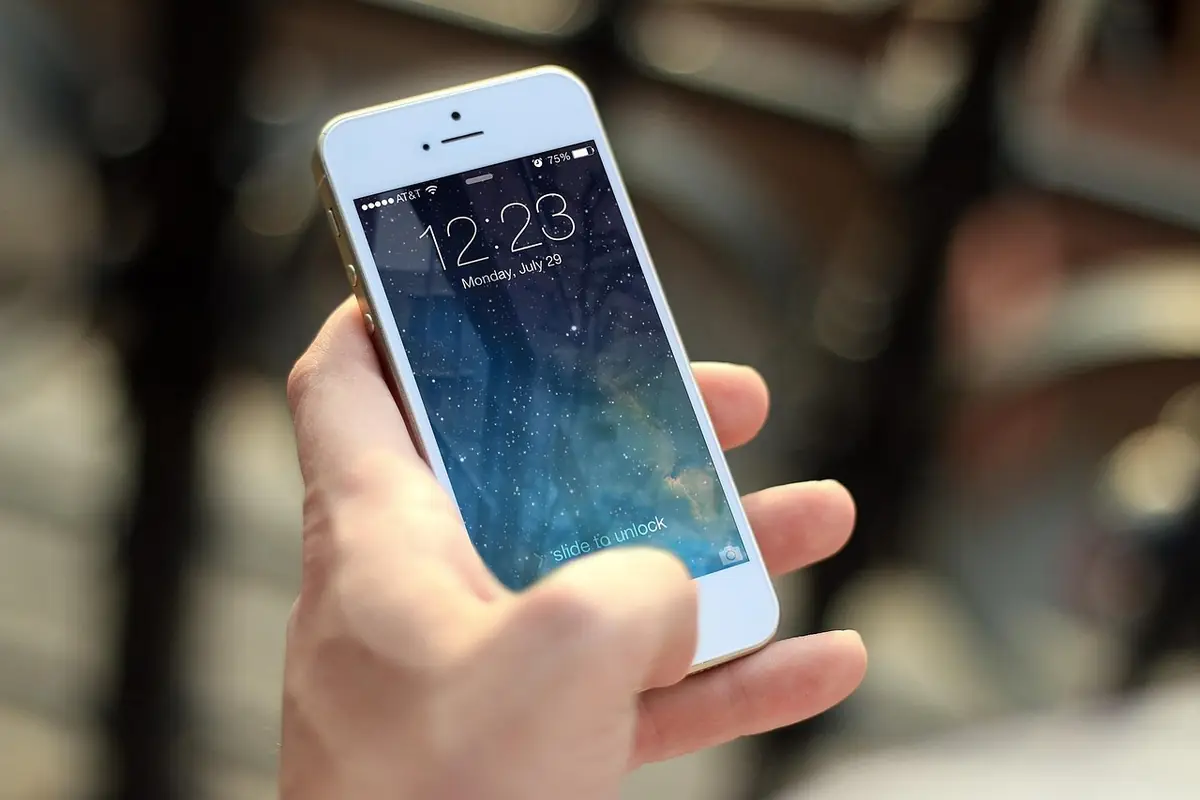
It is one of the great of modern life. With a smartphone and an internet connection, anyone can search the world’s information, keep in touch with friends on the other side of the planet, store thousands of photos and play endless games – all without paying a cent. But the companies that provide these services are among the most valuable in the world, and they are not charities. If we are not paying with money, what exactly are we paying with?
The short answer, for many services, is our attention and our data. Most free platforms are funded by advertising, and advertisers will pay far more to reach people who are likely to be interested in their products. By collecting information about what we search for, watch, like and buy – and sometimes where we go – companies can build detailed that allow ads to be targeted with considerable precision. The more time we spend on a platform, the more ads we see and the more data we generate.
This business model has been described as the “attention economy”. Because revenue depends on engagement, platforms have strong to keep us scrolling, and critics argue that design features such as endless feeds, autoplaying videos and constant notifications are deliberately engineered to exploit psychological . A phrase often repeated in debates about technology sums up the concern: if you are not paying for the product, you are the product.
Defenders of the model offer a different perspective. Advertising, they point out, has funded free newspapers, radio and television for generations, and it allows people who could never afford subscriptions to access powerful tools. Many users say they prefer ads to irrelevant ones, and some services give people more control over their data than they did in the past.
Regulators have nonetheless become increasingly concerned. In the European Union, the General Data Protection Regulation requires companies to explain what data they collect and, in many cases, to obtain users’ – the reason behind the cookie banners that now greet visitors to almost every website. Critics argue, however, that few people read these notices, and that clicking “accept” has become a rather than an informed choice.
Meanwhile, alternatives are emerging. Some apps offer an ad-free version for a monthly fee; others rely on donations or charge a small one-off price. Their growth suggests that at least some users are willing to pay with money rather than attention – although subscriptions bring their own risk of when every service asks for a few euros a month.
There is no simple . “Free” digital services have brought enormous benefits, and few of us would want to give them up. But it is worth remembering that every free service has a business model behind it. Understanding how that model works is the first step towards deciding, rather than by default, what we are willing to give in return.
Reading the News · levoop.com/reading-the-news/what-are-we-really-paying-for-free-apps · More articles and Cambridge exam practice at www.levoop.com