Technology · Reading practice · B2
The hidden energy cost of the internet
Every search, stream and photo backup uses electricity somewhere. How much – and does it matter?
By Levoop · 4-minute read · 373 words · Tap the underlined words to see what they mean
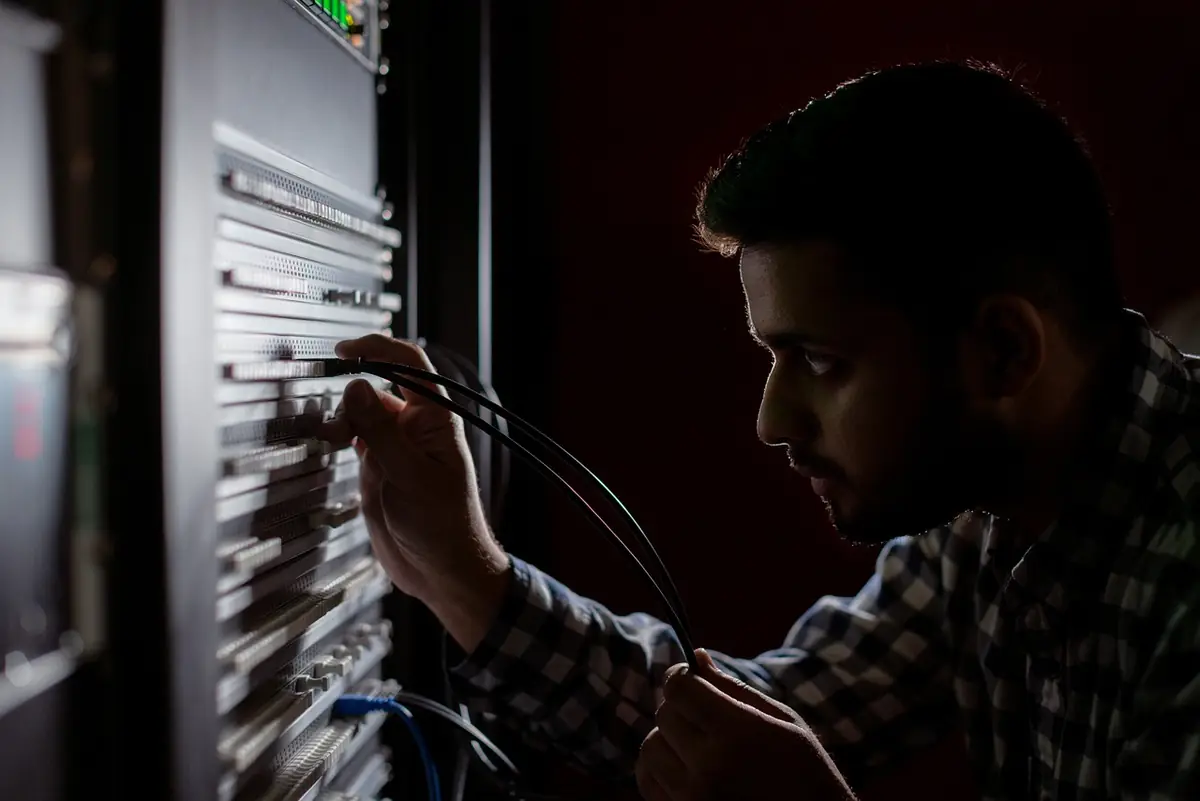
When we send an email or watch a video, it can feel as if nothing physical is happening. The internet seems to exist in an “cloud”. In reality, every click depends on enormous buildings full of computers, cables and cooling systems, all of which need to run.
These buildings, known as , store our photos, run our apps and deliver the films we stream. Estimates vary, but according to the International Energy Agency they used roughly one to two per cent of the world’s electricity in recent years – similar to the of some entire countries. And demand is rising quickly, partly because of the growth of artificial intelligence, which requires a great deal of computing power.
Keeping the computers cool is a major challenge. Servers produce a lot of heat, and some data centres use huge amounts of water for cooling, which can put pressure on local in dry regions. This is one reason why several large companies have built data centres in colder countries such as Finland, Sweden and Ireland.
Technology companies argue that they are working hard to reduce their . Many have promised to run their data centres entirely on energy, and modern equipment is far more than it was a decade ago. In fact, for many years improvements in efficiency meant that energy use grew much more slowly than internet traffic. Critics point out, however, that promises are not always kept, and that the rapid growth of AI could undo much of this progress.
What about individual users? The effect of a single email or search is tiny, and experts warn against feeling guilty about everyday internet use. Some habits do make a small difference: streaming video in very high quality on a phone screen, for example, uses more data than necessary, and keeping thousands of unwanted photos in cloud storage means they are constantly being stored and backed up. Keeping devices for longer is probably more important, since new phones and laptops requires a lot of energy and raw materials.
The internet is not going away, nor should it. But remembering that the cloud is made of real machines may help us to use it a little more .
Reading the News · levoop.com/reading-the-news/the-hidden-energy-cost-of-the-internet · More articles and Cambridge exam practice at www.levoop.com