Psychology · Reading practice · B2
Why do we enjoy being scared?
Horror films, haunted houses and roller coasters are designed to frighten us. And millions of people pay for the experience.
By Levoop · 4-minute read · 340 words · Tap the underlined words to see what they mean
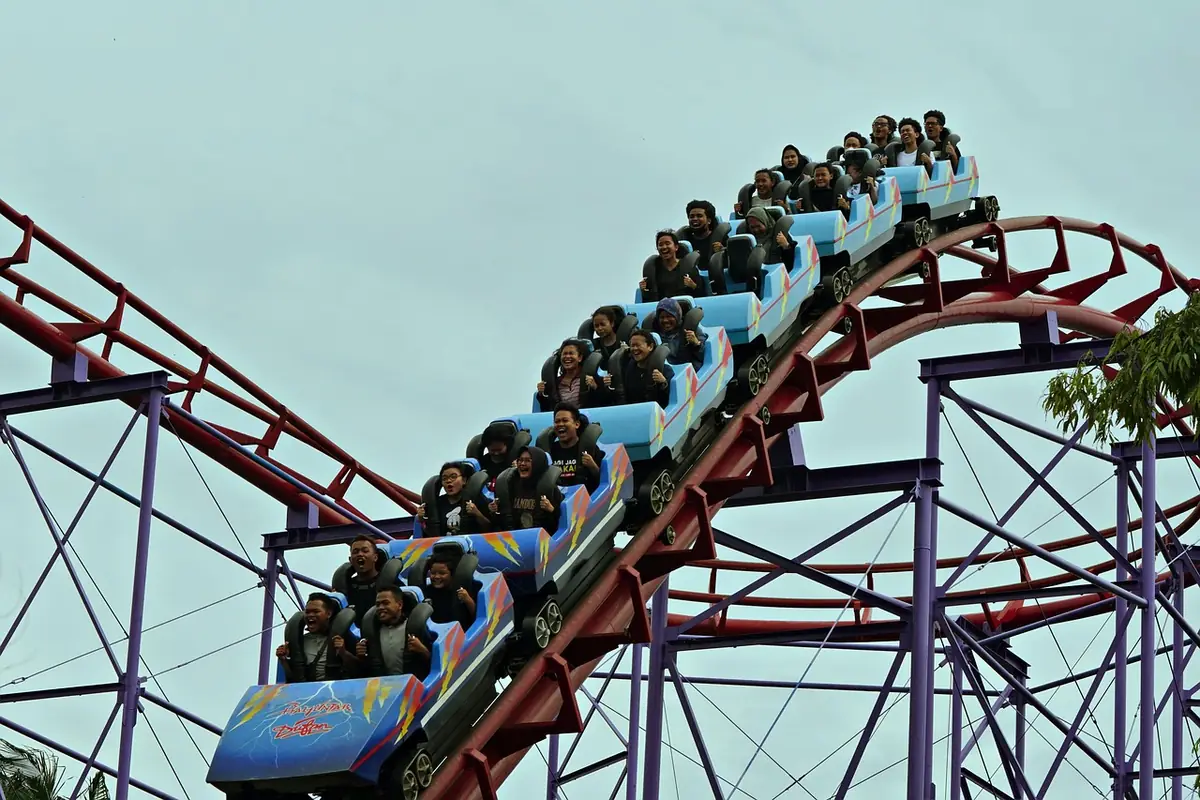
It makes very little sense at first. Fear is an unpleasant emotion that to keep us away from danger. Yet every year millions of people for roller coasters, buy tickets for horror films and walk through haunted houses, screaming all the way. Why would anyone choose to be frightened?
Part of the answer lies in what happens in the body. When we are scared, the brain triggers the “fight or flight” response: the heart beats faster, breathing speeds up and the body releases . In a real emergency, this prepares us to run or defend ourselves. In a cinema, however, the same physical can feel thrilling rather than terrifying.
The key, psychologists say, is that we know we are safe. A horror film lets us experience fear within clear limits: the monster cannot leave the screen, and the ride will stop in two minutes. Researchers who have studied visitors to haunted attractions found that many left feeling more relaxed and in a better than when they arrived – as if they had faced their fears and survived.
There may also be a practical side. Some experts suggest that frightening stories allow us to “” dangerous situations without any real risk, which could help us to cope with anxiety. During the pandemic, one study even found that fans of horror films seemed to show slightly more than other people, although the researchers were careful not to claim that the films were the cause.
Being scared together can also bring people closer. Sharing a moment – grabbing a friend’s arm, laughing nervously afterwards – creates a sense of connection.
Of course, not everyone enjoys fear. For some people, horror films are simply , and there is nothing wrong with avoiding them. Personality plays a role: people who generally seek out new and intense experiences tend to enjoy scary entertainment more.
So if you love horror, you are not strange. Your brain is simply enjoying a dose of danger – from the comfort of your seat.
Reading the News · levoop.com/reading-the-news/why-do-we-enjoy-being-scared · More articles and Cambridge exam practice at www.levoop.com