Psychology · Reading practice · C1
Spoilt for choice: is more always better?
We tend to assume that the more options we have, the happier we will be. Psychologists are not so sure.
By Levoop · 5-minute read · 475 words · Tap the underlined words to see what they mean
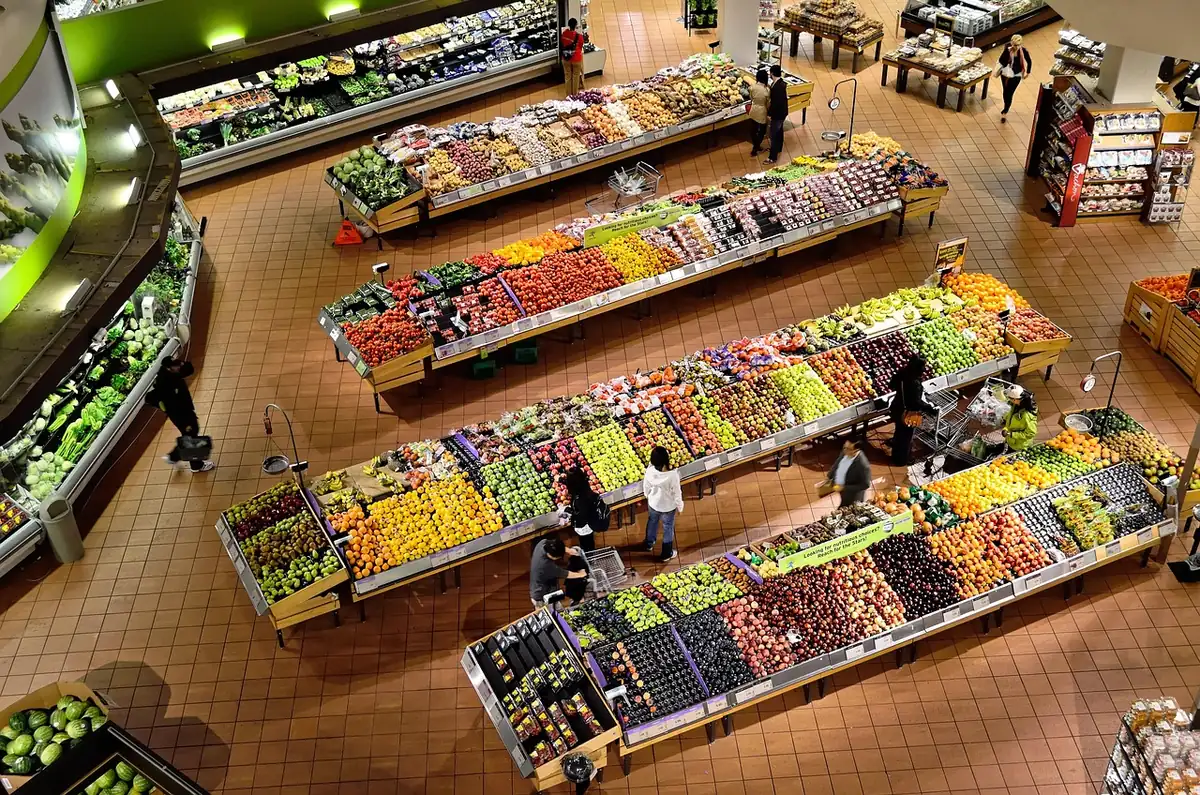
Walk into any large supermarket and you will be confronted with dozens of kinds of breakfast cereal, hundreds of shampoos and an entire aisle devoted to crisps. Streaming services offer more films than anyone could watch in a lifetime, and dating apps present an apparently endless supply of potential partners. It seems that this is a good thing. After all, more options mean a better chance of finding exactly what we want. Or do they?
In a now-famous experiment carried out in an upmarket food shop in the late 1990s, researchers set up a tasting stand that offered either six or twenty-four varieties of jam. The larger display attracted more visitors, but far fewer of them actually bought anything: shoppers faced with six options were around ten times more likely to make a purchase. The researchers concluded that too much choice can be .
The study helped to inspire the idea of the “paradox of choice”, popularised by the psychologist Barry Schwartz. His argument was that, beyond a certain point, extra options do not make us freer but more anxious. Each additional choice raises our expectations, increases the effort required to decide and makes it more likely that we will ourselves afterwards, wondering whether one of the alternatives would have been better.
Schwartz also drew a distinction between two types of decision-makers. “Maximisers” feel they must examine every possibility in order to find the very best option. “Satisficers”, by contrast, settle for something that meets their criteria and move on. Perhaps , research suggests that maximisers often end up with objectively better outcomes but feel less satisfied with them.
It would be , however, to present the paradox of choice as settled science. Later attempts to replicate the jam study and similar experiments have produced mixed results; some found a strong effect, others found none at all. A large review of the research concluded that the effect depends heavily on circumstances – for example, on how complex the options are, how much we already know about them and how much time we have to decide. Choice, in other words, is not inherently harmful; choice can be.
This more view has practical . Businesses have learnt that carefully selections, clear categories and sensible default options can make decisions easier without taking freedom away. As individuals, we might benefit from deliberately limiting our options: deciding in advance how much time to spend comparing products, or accepting that “good enough” is often exactly that.
None of this means we should long for a world with only one kind of jam. But the next time you find yourself scrolling through a menu for twenty minutes, unable to pick a film, it may help to remember that the problem is not you – it is the sheer number of possibilities in front of you.
Reading the News · levoop.com/reading-the-news/the-paradox-of-choice · More articles and Cambridge exam practice at www.levoop.com