Environment · Reading practice · B2
Why more cities are saying no to cars
From a small Spanish city to the capital of Norway, city centres are being redesigned for people instead of traffic.
By Levoop · 4-minute read · 374 words · Tap the underlined words to see what they mean
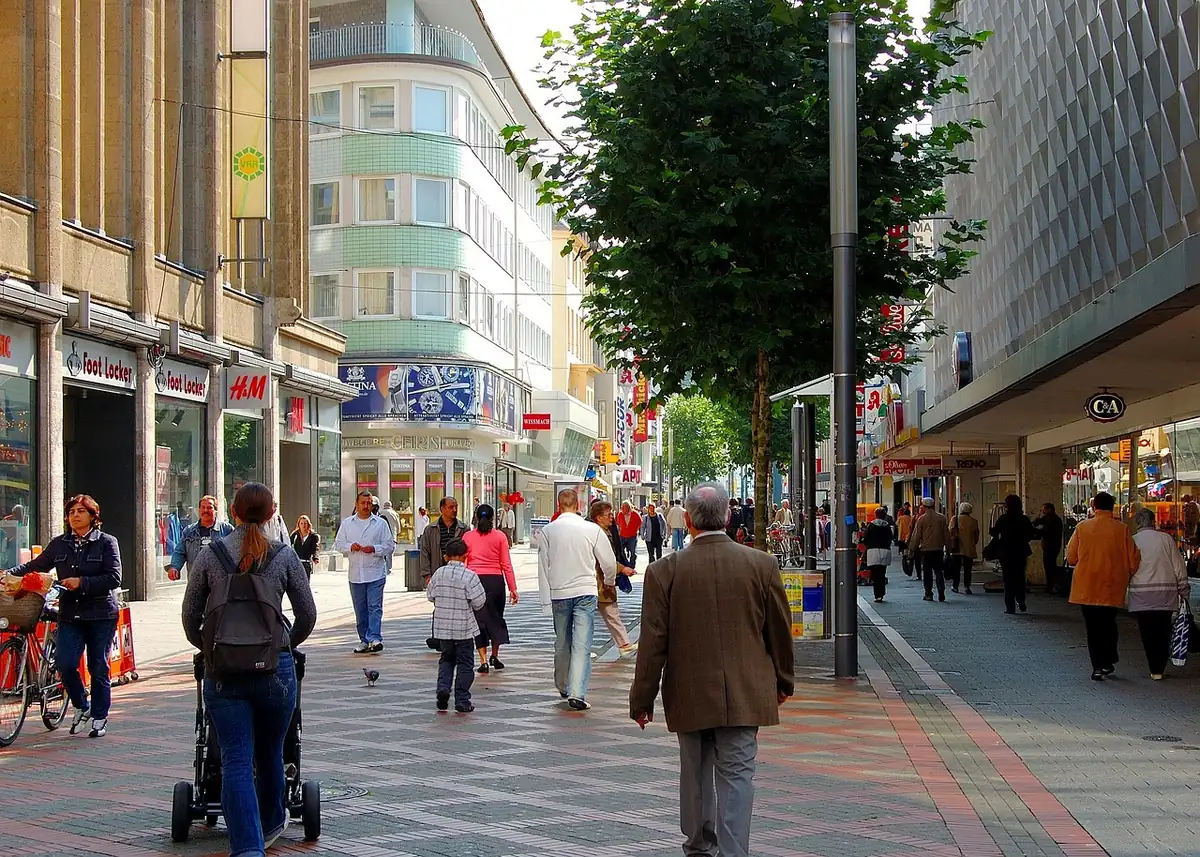
For most of the twentieth century, cities were built around the car. Wide roads, huge car parks and busy became a normal part of urban life. Today, a growing number of cities are trying to do the opposite: to give the streets back to the people who walk on them.
One of the best-known examples is Pontevedra, a small city in north-west Spain. In 1999, the local government decided to most private cars from the centre. Instead of traffic jams, the old streets filled with cafés, children playing and people walking. Shop owners were worried at first that they would lose customers, but the centre is now busier than ever, and the city has won international awards for its quality of life.
Larger cities have taken a different . Rather than closing streets completely, Oslo removed most of the parking spaces in its city centre and replaced them with benches, trees, and small parks. Without anywhere to park, many drivers simply chose to come by bus, by train or by bike. Paris, meanwhile, has built hundreds of kilometres of new cycle lanes over the last decade.
Supporters of these changes point to several benefits. Fewer cars mean cleaner air and less noise, which can have a real effect on people’s health. Streets also become safer, especially for children and older people. And when people walk or cycle, they tend to stop, look around and spend money in local shops.
However, the changes are not always popular. Critics argue that car-free centres can make life harder for people who live outside the city, for those with , and for businesses that depend on . For this reason, most cities allow exceptions for residents, emergency vehicles and delivery vans at certain times of the day.
Experts agree that banning cars on its own is not enough. For the idea to work, people need good alternatives: frequent and public transport, safe routes for bicycles and pleasant spaces where they actually want to spend time. Without these, a car-free zone can quickly become an empty one.
What is clear is that the is no longer about whether cities should reduce traffic, but about how quickly and how far they should go.
Reading the News · levoop.com/reading-the-news/cities-saying-no-to-cars · More articles and Cambridge exam practice at www.levoop.com