Technology · Reading practice · B2
The science of why we can’t stop scrolling
You only meant to check one message. Forty minutes later, you are still looking at your phone. It is not a lack of willpower – it is design.
By Levoop · 4-minute read · 396 words · Tap the underlined words to see what they mean
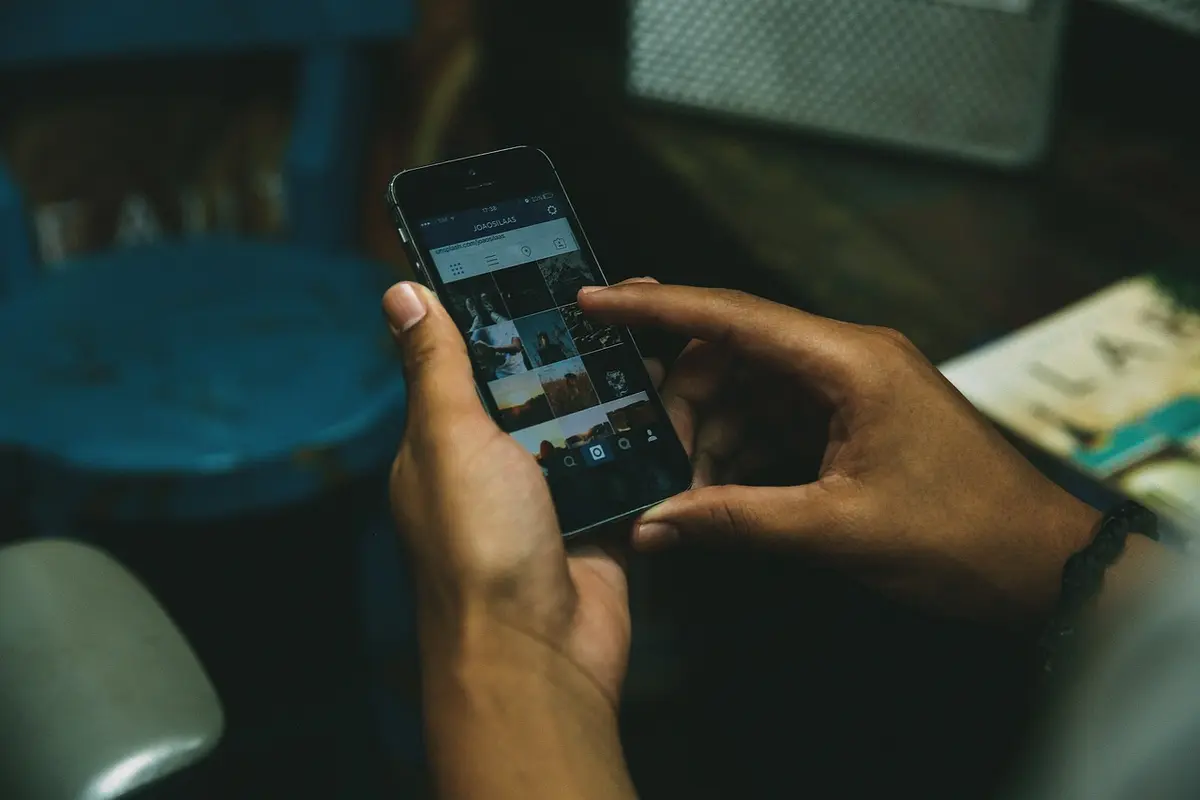
It happens to almost everyone. You pick up your phone to check the weather, and suddenly you are watching videos of cats, reading comments from strangers and looking at photos of people you have not seen for years. When you finally look up, much more time has passed than you expected. Why is it so hard to stop?
Part of the answer goes back to experiments carried out in the middle of the twentieth century. The American psychologist B. F. Skinner found that animals pressed a more often when they received food only some of the time, at random, than when they received it every time. These rewards kept them coming back again and again. Slot machines in casinos work on exactly the same .
Social media apps use a similar idea. Every time you refresh your feed, you do not know what you are going to find: maybe something boring, maybe something funny, maybe a message from someone you like. That is precisely what makes it so . Our brains release dopamine, a chemical linked to motivation and pleasure, not only when we get a reward, but when we expect one.
Design plays a part too. In 2006, a designer called Aza Raskin invented “infinite scroll”, the feature that loads new content automatically when you reach the bottom of a page. Without a natural end, there is no moment that tells you to stop. Raskin has since said publicly that he how the idea has been used. Other features, such as , red dots and videos that start playing , are all designed to keep our attention for as long as possible.
This does not mean that technology is evil or that we should all throw our phones away. Social media can help us stay in touch with friends, learn new things and find support. The problem is that our attention has become extremely valuable to the companies that sell advertising, and they compete for it.
So what can we do? Experts suggest small changes that make scrolling a little less automatic: turning off notifications, removing social media apps from the home screen, setting a time limit, or simply leaving the phone in another room while studying or sleeping. None of these is a perfect solution, but each one helps us to decide for ourselves how we spend our time.
Reading the News · levoop.com/reading-the-news/why-we-cant-stop-scrolling · More articles and Cambridge exam practice at www.levoop.com