Environment · Reading practice · C1
Bringing back the wild: why rewilding divides opinion
Releasing beavers, bison and even wolves into the landscape excites conservationists. Not everyone shares their enthusiasm.
By Levoop · 5-minute read · 516 words · Tap the underlined words to see what they mean
For much of the twentieth century, nature conservation in Europe meant carefully managing what was left: protecting rare species, fencing off nature reserves and keeping landscapes looking the way they always had. In recent decades, a more ambitious idea has gained ground. Known as rewilding, it aims not simply to preserve nature but to restore the natural processes that once shaped it – and, where possible, to step back and let nature take its course.
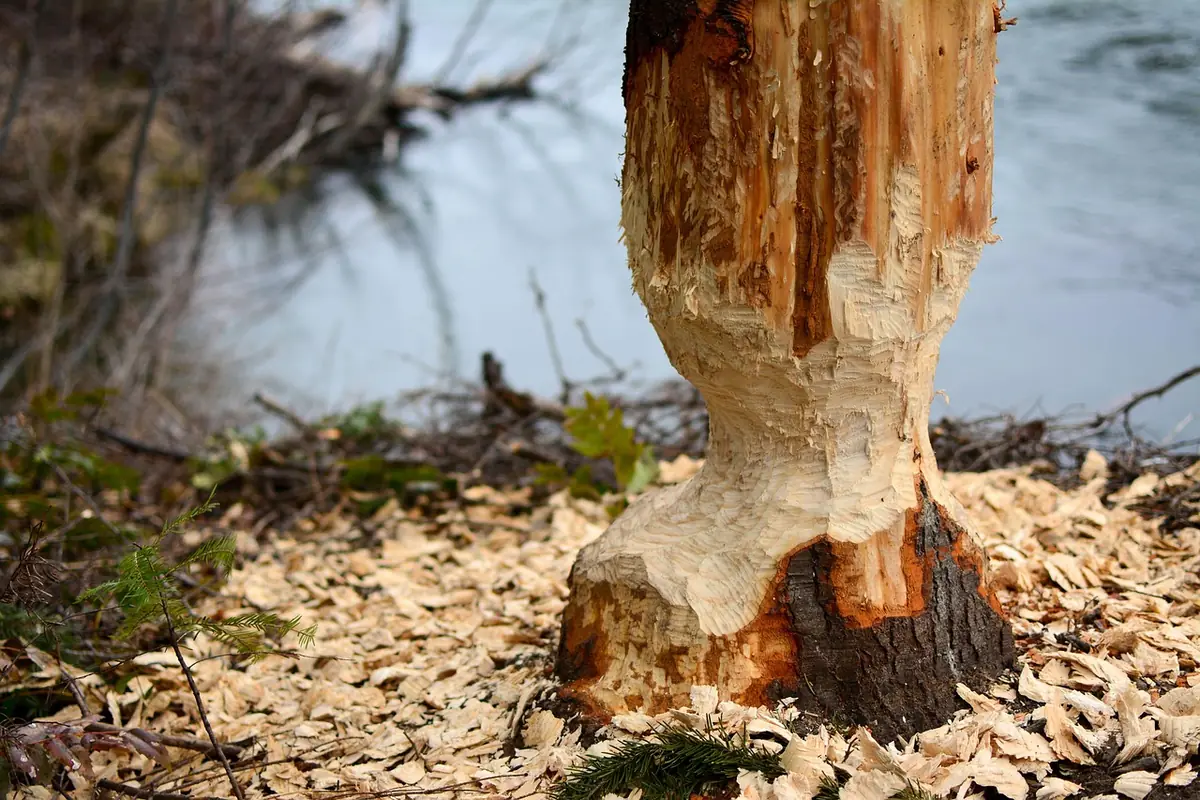
In practice, rewilding often involves bringing back species that have disappeared from an area. Beavers have been reintroduced in several European countries, including parts of Britain, after centuries of absence. European bison now forests in Poland and elsewhere, and wolves have returned to many regions on their own, as legal protection has allowed their numbers to recover.
Supporters argue that these animals are not just pleasant to have around but play a crucial ecological role. Beavers, for instance, build dams that slow the flow of water, creating wetlands that support insects, fish and birds and can reduce the risk of downstream. Large grazing animals keep vegetation varied, preventing open spaces from becoming uniform forest.
The most famous example is often said to be Yellowstone National Park in the United States, where wolves were reintroduced in 1995. The popular story holds that the wolves reduced the number of elk, allowing trees along rivers to recover and setting off a chain of benefits throughout the ecosystem – a so-called trophic . More recent research suggests the reality is more complicated: wolves have probably played a part, but so have other , human hunting and changes in the climate. The case illustrates both the promise of rewilding and the danger of it.
Not everyone welcomes the return of the wild. Farmers, in particular, worry about the cost of predators attacking sheep and cattle, and about beaver dams flooding fields. In some regions, the return of wolves has become a political issue, with rural communities feeling that decisions are being made by city-based campaigners who will not have to live with the . Compensation schemes and protective measures such as guard dogs and electric fences can help, but they do not always resolve the tension.
There are also disagreements. Some critics question what “wild” really means in a continent shaped by humans for thousands of years, and whether there is an ideal natural state to return to at all. Others worry that rewilding could be used to justify abandoning farmland that matters to local culture and food production.
Many practitioners now emphasise that successful rewilding depends on involving local people from the start, and on accepting that it will look different in different places. Few would argue for releasing wolves near city suburbs; many more might support restoring a river or allowing a neglected field to return to .
Rewilding, then, is less a single policy than a spectrum of choices about how much space we are prepared to give to nature – and on whose terms. As biodiversity continues to decline, it is a debate that seems certain to .
Reading the News · levoop.com/reading-the-news/why-rewilding-divides-opinion · More articles and Cambridge exam practice at www.levoop.com