Work · Reading practice · B2
Laptop on the beach: the rise of the digital nomad
More and more people are working from wherever they like. It sounds like a dream – but it is not as simple as it looks.
By Levoop · 4-minute read · 361 words · Tap the underlined words to see what they mean
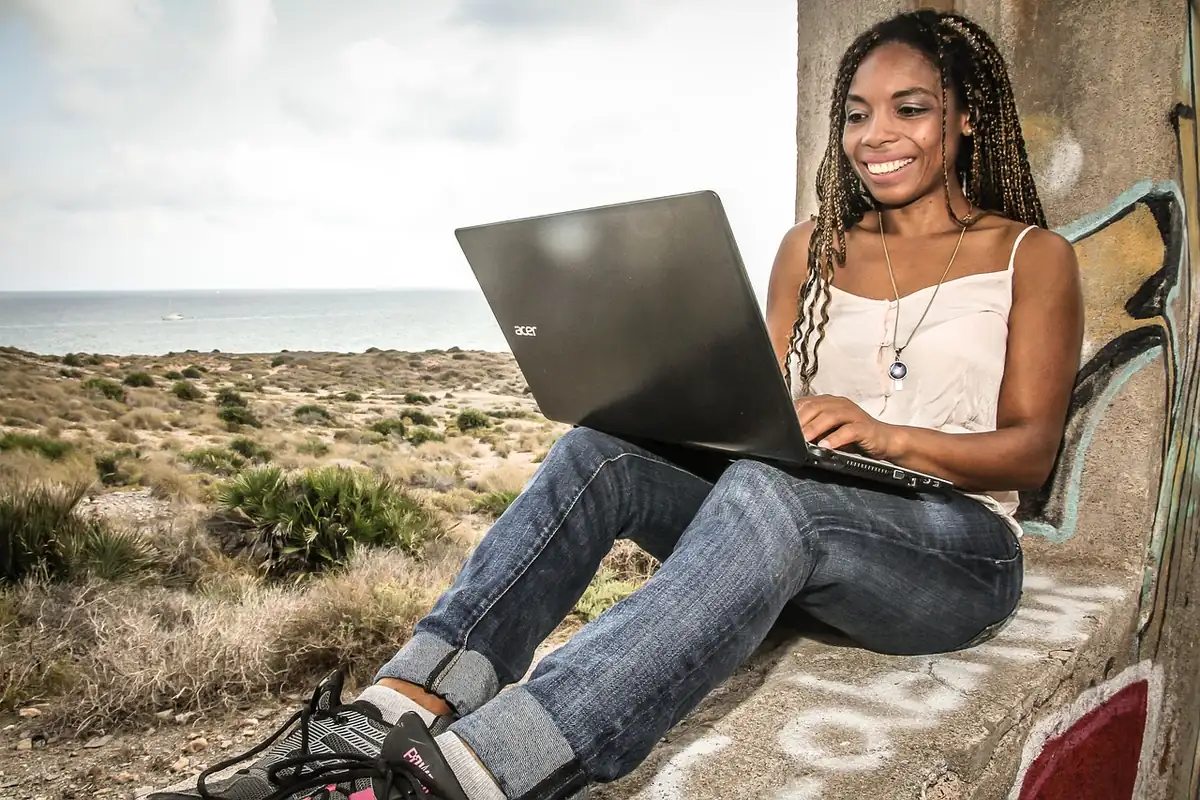
The photos are familiar from social media: a laptop on a wooden table, a cup of coffee and, in the background, palm trees and a turquoise sea. The usually says something like “Today’s office”. Welcome to the world of the .
Until recently, working from another country was something only a few and writers did. The pandemic changed that. When millions of office workers discovered they could do their jobs from home, many began to ask an obvious question: if I can work from my kitchen, why not from a flat in Lisbon or a beach house in Bali?
Governments noticed. Dozens of countries now offer special for remote workers, hoping to attract people who will spend money locally without taking jobs from local . For the nomads themselves, the is clear: a better climate, a lower cost of living and the chance to .
However, the lifestyle has a less glamorous side. Many nomads admit that it can be lonely, because friendships made on the road rarely last long. Time differences mean that a meeting with colleagues back home might start at midnight. Unreliable internet connections, health insurance and taxes can all become serious headaches. And constantly moving can be rather than relaxing.
There are also concerns about the effect on the places nomads choose. In some popular cities, residents complain that short-term rentals aimed at foreigners have pushed up rents, making it harder for local people to find housing. argue that nomads enjoy the benefits of a place without contributing much to it.
Supporters reply that responsible nomads can bring real benefits: they eat in local restaurants, rent rooms and sometimes start businesses. The key, they say, is to stay longer, learn something of the language and treat a place as a community rather than a backdrop for photos.
For most workers, of course, life as a digital nomad remains out of reach: nurses, builders and teachers cannot do their jobs from a beach. But for those who can, the question is no longer whether it is possible, but whether it is really the dream it appears to be.
Reading the News · levoop.com/reading-the-news/the-rise-of-the-digital-nomad · More articles and Cambridge exam practice at www.levoop.com