Reading the NewsB1  Education

Education · Reading practice · B1

Should school start later for teenagers?

Teenagers are often called lazy for sleeping late. But science says their bodies may be working on a different clock.

By Levoop · 3-minute read · 263 words · Tap the underlined words to see what they mean
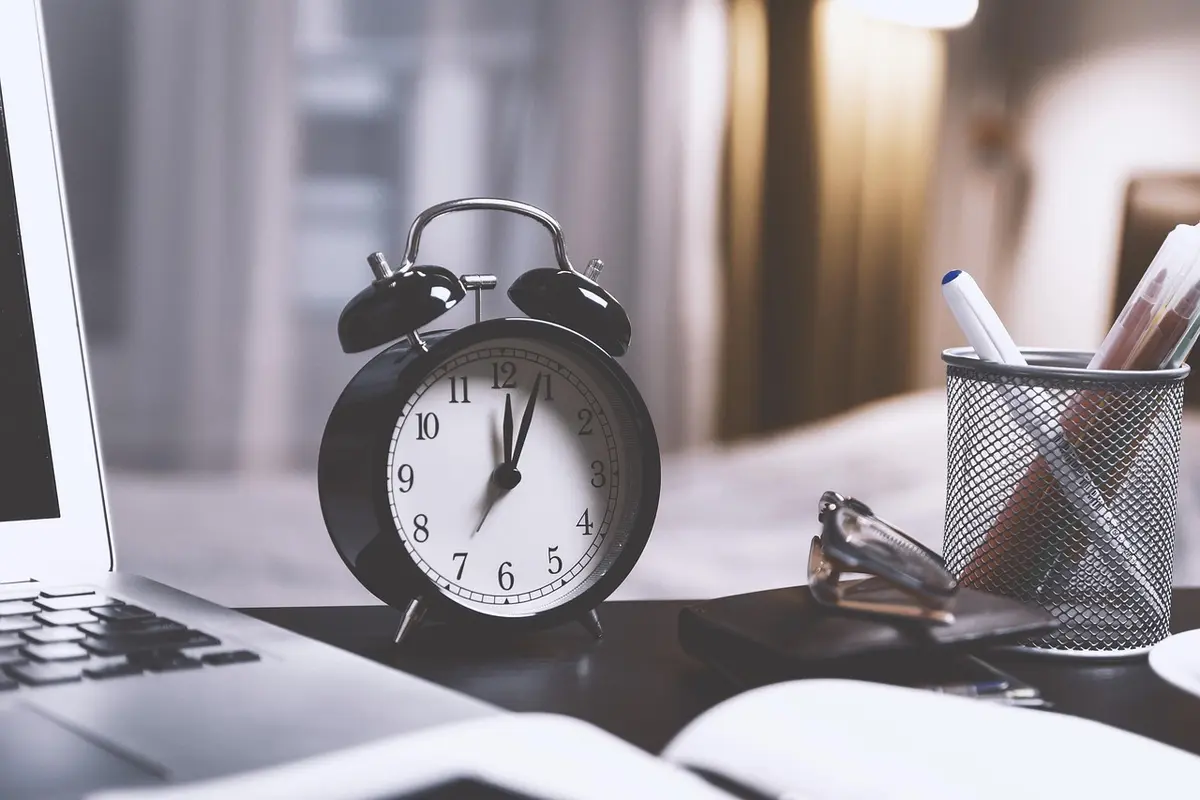
An old alarm clock on a desk next to a laptop
For many teenagers, the alarm clock rings too early.Photo: JESHOOTS-com / Pixabay

It is 7 a.m. The rings, and fifteen-year-old Marta pulls the covers over her head. Last night she wasn’t able to fall asleep until after midnight, although she went to bed at ten. Her parents think she uses her phone too much. Marta says she just isn’t tired at night. Who is right?

Probably both of them. Scientists have discovered that during the teenage years our body clock . The body starts producing melatonin, the that makes us feel sleepy, about two hours later than in children or adults. This means that many teenagers simply cannot fall asleep early, even if they want to.

At the same time, teenagers need a lot of sleep – between eight and ten hours a night, according to sleep experts. If they go to sleep after midnight and get up at seven, they do not get enough. Over time, this can affect their , their health and their in class.

Because of this, some doctors have that secondary schools should start later. In 2014, the American Academy of Pediatrics suggested that classes for teenagers should not begin before 8.30 a.m. Some schools that have changed their say that students are less tired and arrive late less often.

Not everyone agrees, though. A later start can mean a later finish, which is difficult for parents who work, for school buses and for after-school activities.

In the meantime, experts have some : put your phone away an hour before bed – the light from the screen can make it even harder to fall asleep.

Reading the News · levoop.com/reading-the-news/should-school-start-later · More articles and Cambridge exam practice at www.levoop.com
Check your understanding

True or False. Every answer comes with an explanation.

1. Marta went to bed late last night.

2. Teenagers’ bodies start producing the sleep hormone later than adults’ bodies.

3. Sleep experts say teenagers need between six and seven hours of sleep.

4. A group of doctors suggested that classes for teenagers should start at 8.30 or later.

5. Everybody agrees that school should start later.

Useful expressions

  • fall asleep – start sleeping
    “she wasn’t able to fall asleep until after midnight”
  • over time – slowly, after a long period
    “Over time, this can affect their mood”
  • in the meantime – until something else happens
    “In the meantime, experts have some advice”

Key words

  • alarm: a clock that makes a noise to wake you up
  • shifts: moves or changes its position
  • hormone: a chemical made in the body that controls how it works
  • mood: the way you feel at a particular time
  • concentration: the ability to think carefully about one thing
  • recommended: said that something is a good idea
  • timetable: a list of the times when things happen, such as classes
  • advice: an opinion about what someone should do

Answer key

  1. False – False: she went to bed at ten but couldn’t fall asleep until after midnight.
  2. True – True: “about two hours later than in children or adults.”
  3. False – False: they need between eight and ten hours.
  4. True – True: the American Academy of Pediatrics suggested not before 8.30 a.m.
  5. False – False: “Not everyone agrees” – a later start causes problems for parents, buses and activities.

Keep reading

Preparing for the exam? Practise the B1 Preliminary Reading paper, part by part, with every answer explained.