Media · Reading practice · B2
Why do we fall for fake news?
False stories spread online faster than ever. The reason has less to do with intelligence than with how our brains work.
By Levoop · 4-minute read · 352 words · Tap the underlined words to see what they mean
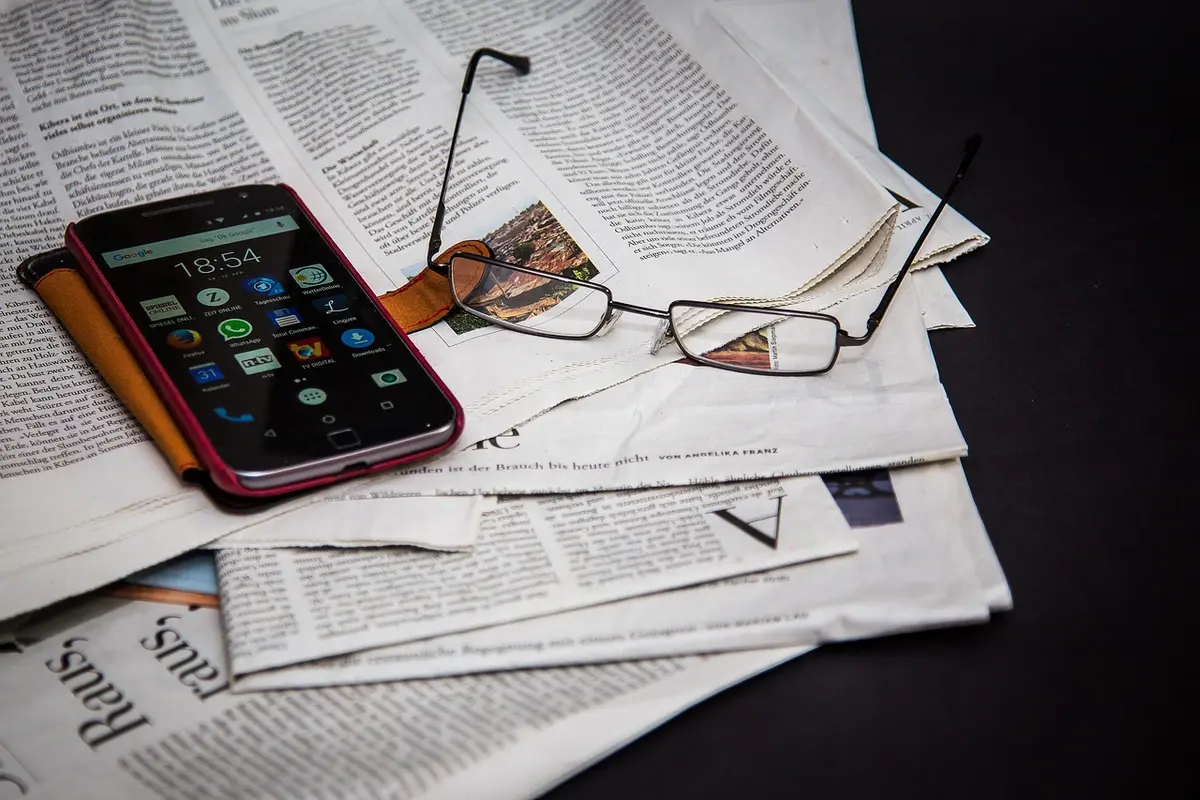
A shocking photo, a dramatic headline, a message forwarded by a friend: every day, millions of people share stories online that turn out to be false. It is tempting to think that only people fake news. In reality, almost all of us are – and understanding why is the first step to protecting ourselves.
One reason is speed. A large study published in 2018, which looked at stories shared on Twitter over more than ten years, found that false news spread faster and reached more people than true news. The researchers suggested that false stories tend to be more surprising and emotional, and we are naturally drawn to things that make us feel shocked, angry or afraid.
Another reason is what psychologists call . We are more likely to accept a story without question if it fits what we already believe, and to one that challenges our opinions. A headline that confirms our view of a politician or a group feels true, even before we have checked it.
Social media makes the problem worse. tend to show us content similar to what we have already liked, so we may rarely see the other side of a story. And because many people only read headlines, a title can do damage even when the article itself is accurate.
So what can we do? Experts recommend a few simple habits. Before sharing something, stop and ask who it and whether other reliable sources are reporting the same thing. Be especially careful with content that makes you feel a strong emotion. Check the date, as old stories are often shared as if they were new. And remember that a convincing photo can be taken out of context or digitally .
Some researchers are also testing an approach called “prebunking”: teaching people the common tricks used in false stories before they meet them, a little like a for the mind. Early results are encouraging.
None of us can check everything. But pausing for a few seconds before pressing “share” might be the most effective defence we have.
Reading the News · levoop.com/reading-the-news/why-do-we-believe-fake-news · More articles and Cambridge exam practice at www.levoop.com